


Share This Article
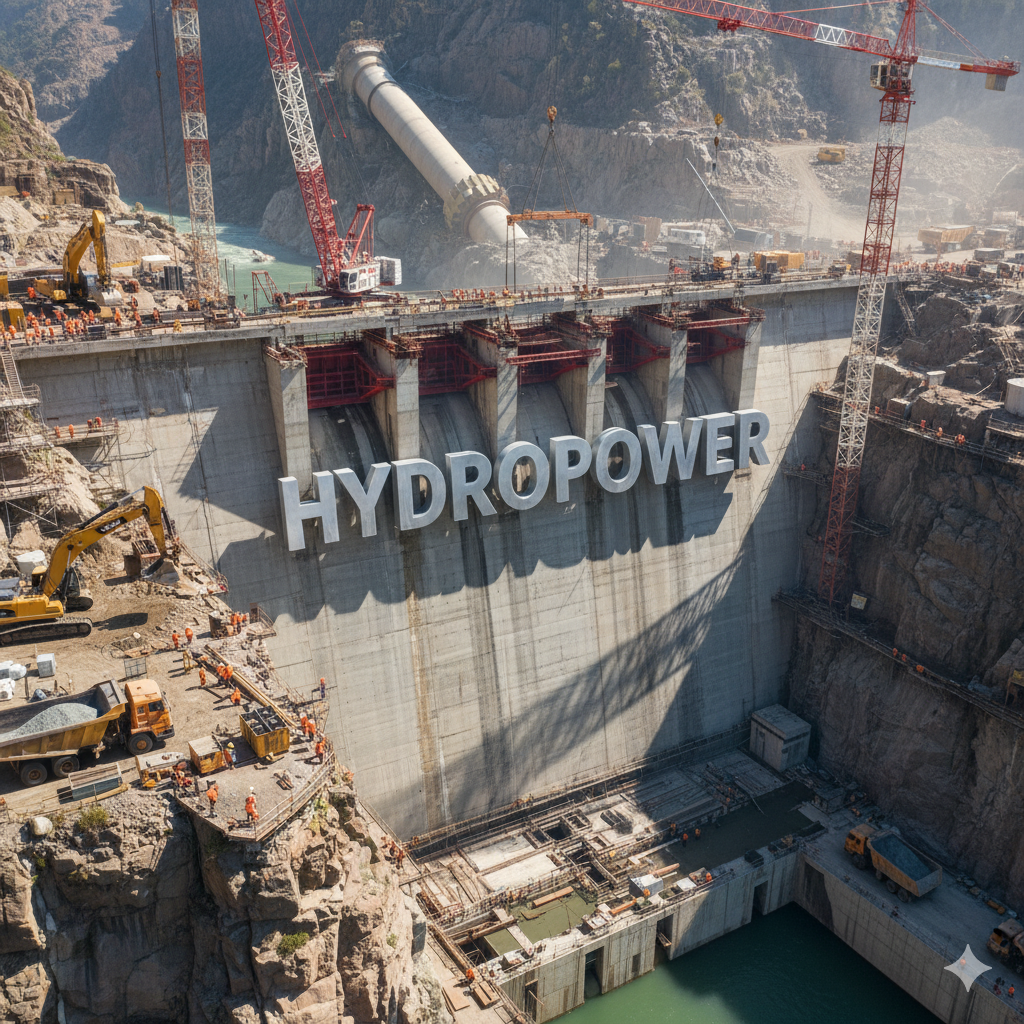
Hydropower is a cornerstone of sustainable energy, especially in countries like Nepal where rivers and rugged terrain offer ideal conditions for generating electricity from water. Building a hydropower plant is a complex process that involves multiple phases—from site preparation to turbine installation—and each phase requires specialized equipment. In this blog, we’ll explore the key types of equipment used in hydropower construction and their roles in creating efficient, long-lasting energy infrastructure.
1. Earthmoving and Excavation Equipment
Before any concrete is poured or turbines installed, the land must be prepared. This includes clearing vegetation, leveling ground, and digging foundations.
- Excavators: Used for digging tunnels, trenches, and foundations. They’re essential for shaping the riverbed and preparing dam sites.
- Bulldozers: Ideal for clearing land and pushing large volumes of soil or rock.
- Loaders and Dump Trucks: Transport materials like gravel, sand, and excavated earth across the site.
2. Concrete and Structural Equipment
Hydropower plants rely on massive concrete structures such as dams, spillways, and powerhouses. Specialized equipment ensures these structures are built safely and efficiently.
- Concrete Mixers: Mix cement, sand, gravel, and water to produce high-quality concrete.
- Concrete Pumps: Deliver concrete to hard-to-reach areas like tall walls or deep foundations.
- Formwork Systems: Temporary molds used to shape poured concrete into structural components.
3. Hydraulic and Water Flow Equipment
Controlling water flow is central to hydropower generation. These components manage water pressure and direction.
- Penstocks: Large pipes that carry water from the reservoir to the turbines.
- Intake Gates: Regulate water flow into the penstock.
- Trash Racks: Prevent debris from entering the system and damaging turbines.
4. Tunneling and Underground Equipment
In hilly regions like Nepal, tunnels are often required to divert water or house underground facilities.
- Tunnel Boring Machines (TBMs): Excavate tunnels with precision and speed.
- Drilling Rigs: Used for blasting through rock and creating access tunnels.
- Shotcrete Machines: Spray concrete onto tunnel walls for reinforcement.
5. Electro-Mechanical Equipment
This is the heart of the hydropower plant—where water’s kinetic energy is converted into electricity.
- Turbines: Common types include Pelton (high-head), Francis (medium-head), and Kaplan (low-head) turbines.
- Generators: Convert mechanical energy from turbines into electrical energy.
- Control Panels: Monitor and regulate plant operations in real time.
6. Electrical Transmission Equipment
Once electricity is generated, it must be safely transmitted to the grid or end users.
- Transformers: Adjust voltage levels for transmission and distribution.
- Switchgear and Circuit Breakers: Protect electrical systems from overloads.
- Power Cables and Busbars: Conduct electricity from generators to transformers.
7. Monitoring and Safety Equipment
Safety and efficiency are critical in hydropower operations. Monitoring systems help detect issues early.
- Flow Meters and Pressure Gauges: Measure water flow and pressure.
- Vibration Sensors: Detect mechanical issues in turbines and generators.
- Fire Suppression Systems: Protect electrical components from fire hazards.
8. Auxiliary Systems
These support systems enhance plant performance and longevity.
- Cooling Systems: Prevent overheating in generators and control units.
- Lubrication Systems: Reduce friction in moving parts.
- Lighting and Ventilation: Ensure safe working conditions, especially in underground areas.
Conclusion
Hydropower construction is a multidisciplinary effort that demands precision, safety, and efficiency. Each piece of equipment plays a vital role in transforming natural water flow into clean, renewable energy. In Nepal, where hydropower is a key driver of economic growth and energy independence, understanding the tools behind the technology is essential for engineers, developers, and policymakers alike.
Want to learn more about hydropower projects in Nepal or explore the latest innovations in renewable energy? Let’s dive deeper together.
More Reads about Cement