


Share This Article
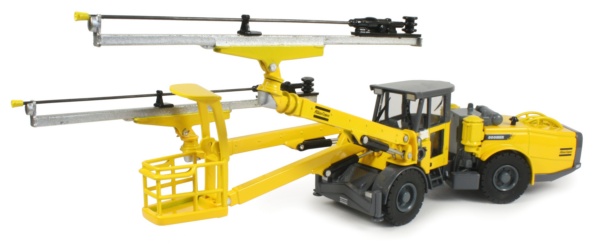
Nepal, a country blessed with abundant water resources and steep terrain, has long recognized the potential of hydropower to meet its energy needs and drive economic development. In recent years, the nation has embarked on an ambitious journey to harness this potential, with over 260 hydropower projects currently under construction, aiming to generate more than 10,000 MW of electricity. At the heart of this transformation lies cutting-edge technology, and one name that stands out is atlas copco, particularly its drilling jumbo machines.
Atlas Copco, a Swedish industrial giant, has been a global leader in providing sustainable productivity solutions. Its drilling jumbo machines, designed for underground excavation, have become indispensable in the construction of hydropower tunnels across Nepal. These machines are engineered for precision, speed, and safety, making them ideal for the rugged Himalayan terrain and the complex geological conditions found in Nepal’s hydropower sites.
Hydropower projects in Nepal typically involve extensive tunneling to divert river flows and house turbines. This tunneling work is both time-consuming and hazardous, especially when relying on traditional methods. The introduction of Atlas Copco’s drilling jumbos has revolutionized this process. These machines are equipped with multiple booms that can drill simultaneously, significantly reducing the time required to excavate tunnels. Their advanced automation systems ensure consistent drilling patterns, minimizing human error and enhancing safety.
One of the flagship projects benefiting from Atlas Copco technology is the Upper Tamor Hydropower Project, a 285 MW semi-reservoir-based initiative. As one of the largest private sector hydropower ventures in Nepal, it demands high efficiency and reliability in construction. The use of drilling jumbos has enabled rapid progress in tunnel excavation, helping the project stay on schedule and within budget.
Beyond speed and efficiency, Atlas Copco’s machines contribute to environmental sustainability. Their energy-efficient designs reduce fuel consumption and emissions, aligning with Nepal’s commitment to green energy. Moreover, the precision drilling minimizes overbreak and reduces the need for excessive concrete lining, further lowering the environmental footprint of hydropower construction.
The impact of Atlas Copco drilling jumbos extends beyond individual projects. By accelerating the completion of hydropower plants, these machines help bring electricity to remote areas faster. This has profound implications for Nepal’s socio-economic development. Reliable power supply enables the growth of industries, improves healthcare and education, and enhances the quality of life in rural communities.
Furthermore, the surplus electricity generated from these projects opens up opportunities for cross-border energy trade. Nepal has already begun exporting power to neighboring countries like India, and with more projects coming online, this trade is set to expand. Atlas Copco’s role in expediting project timelines directly contributes to this strategic goal, positioning Nepal as a regional energy hub.
The adoption of Atlas Copco technology also fosters skill development and job creation. Operating and maintaining these sophisticated machines requires specialized training, leading to the emergence of a skilled workforce in Nepal’s construction sector. Local technicians and engineers gain valuable experience, enhancing their employability and contributing to the country’s human capital.
In conclusion, Atlas Copco drilling jumbos are more than just machines; they are catalysts for change in Nepal’s hydropower landscape. By enabling faster, safer, and more sustainable tunnel construction, they play a pivotal role in unlocking the country’s energy potential. As Nepal continues its journey toward energy self-sufficiency and regional leadership, the contribution of Atlas Copco’s technology will remain vital. The synergy between advanced engineering and natural resources is lighting up Nepal’s future—one tunnel at a time.
More Reads about Floods