


Share This Article
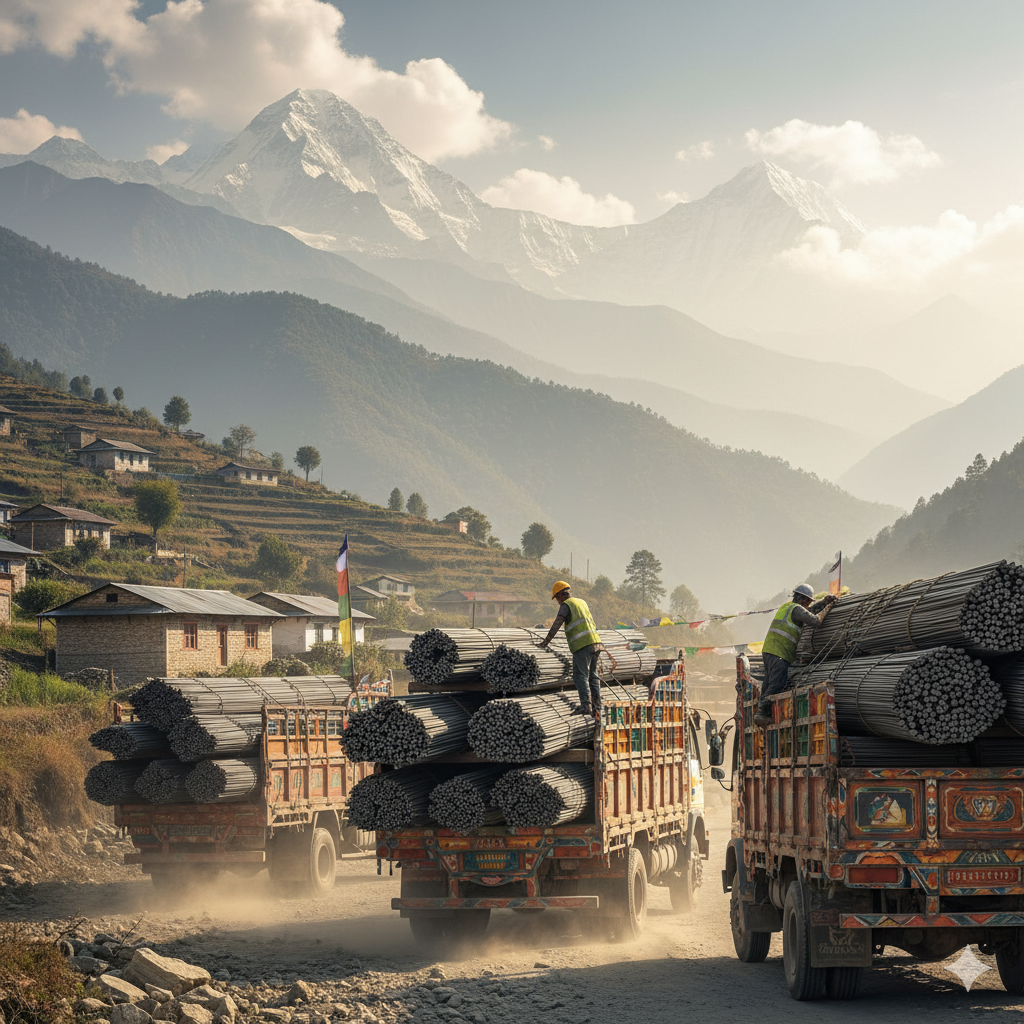
Steel is one of the most important materials in construction because of its strength, durability, and versatility. It is used in almost every kind of project, from homes and bridges to high-rise buildings and hydropower tunnels. Choosing the right type of steel is essential for safety, cost efficiency, and long-term durability. There are several types of steel used in construction, each with different properties, advantages, and applications.
The most common type is mild steel, also called low-carbon steel. It contains a small amount of carbon and manganese. This makes it ductile, easy to bend, cut, and weld, but not extremely hard. Mild steel is mostly used in general construction like frames, roofing structures, and pipelines. It is inexpensive and easy to work with but needs protection from rust if exposed to moisture.
Medium and high-carbon steels have more carbon content and are stronger and harder than mild steel. They are less ductile and more difficult to weld but are used where more strength is required, such as in tools, heavy-duty parts, and load-bearing structures.
Reinforcement steel, also called rebar, is one of the most used materials in modern construction. Concrete is strong in compression but weak in tension, so steel bars are embedded in concrete to carry the tensile forces. Reinforcement steel is commonly manufactured as deformed bars with surface ribs to help concrete grip the steel. The most popular type today is TMT (Thermo Mechanically Treated) bars. TMT bars have a hard outer layer for strength and a soft inner core for flexibility. They can bend during earthquakes without breaking, making them ideal for Nepal’s seismic conditions. They come in different grades such as Fe415, Fe500, and Fe500D, which indicate their yield strength.
Structural steel is another major category used in beams, columns, and industrial structures. It is produced in standard shapes like I-beams, H-beams, channels, and angles. Structural steel has high tensile and compressive strength, and it can handle large loads, which is why it is used in bridges, towers, and large commercial buildings. It is often fabricated in factories and assembled on-site.
Galvanized steel is steel coated with zinc to prevent rusting. It is mainly used in outdoor construction, such as roofing sheets, pipes, and fences. In Nepal’s humid and rainy climate, galvanized or coated steel offers good protection against corrosion. Color-coated or pre-painted steel sheets are also used in modern construction for aesthetic and protective purposes.
Stainless steel is an alloy that contains chromium and nickel, giving it excellent resistance to corrosion and staining. Although expensive, it is used where appearance and durability matter, such as in railings, facades, kitchens, and decorative structures. In coastal or industrial areas, stainless steel is preferred because of its ability to resist rust even in harsh environments.
Alloy steels are special steels that include elements such as chromium, vanadium, molybdenum, or nickel to improve properties like strength, hardness, or heat resistance. Tool steels are another type, designed for making tools, dies, and cutting instruments. These are not typically used in regular building structures but are important for the construction industry’s equipment.
When choosing steel, several properties must be considered. Strength determines how much load the steel can handle. Ductility shows how much it can bend without breaking, which is vital in earthquake-prone regions like Nepal. Corrosion resistance ensures a longer lifespan in humid conditions. Bonding ability is important for reinforced concrete so that steel and concrete act together effectively. Quality standards and certifications are also crucial to ensure consistent performance.
Nepal has several well-known steel brands that produce high-quality products locally. Among them, Ambe Steels is one of the largest manufacturers of TMT rebars, producing strong and ductile bars suitable for all kinds of concrete work. Vijay Shree Steel Industry manufactures Fe500, Fe500D, and Fe600 grade TMT bars with high elongation, giving excellent earthquake resistance. Samriddhi Steels, also known as Siddhi Laxmi Steel, produces X-ribbed TMT bars ranging from 8mm to 40mm diameter with good bonding and fire resistance properties.
Jagdamba Steel is one of the oldest and largest steel producers in Nepal, offering a wide range of products such as TMT bars, structural beams, galvanized sheets, and GI wires. They also produce roofing and pre-painted sheets under brands like Galva+ and Supershine. Hulas Steel is well known for roofing sheets, pipes, and structural products. They produce galvanized, color-coated, and Galvalume sheets widely used for roofing and cladding in residential and industrial buildings. Another growing name is Ishrawati Steels, which manufactures galvanized roofing sheets, black mild steel pipes, and other construction materials using modern technology.
Nepal Bureau of Standards and Metrology (NBSM) certifies steel products that meet the country’s quality standards. Using NBSM-certified steel ensures that the material is tested for strength, ductility, and chemical composition. Since Nepal lies in a high seismic zone, it is important to use TMT bars with good ductility and elongation. Corrosion protection is also important because of the monsoon climate and humidity.
There are tradeoffs between different steel types. For example, TMT bars are more advanced and safer for reinforcement compared to old-style mild steel rods. Galvanized and coated steels provide a balance between cost and durability, while stainless steel gives the best corrosion resistance at a higher price. Structural steel is more expensive but provides flexibility and faster construction compared to concrete structures. Selecting the right steel grade and type based on the environment and structural requirements can make a major difference in safety and lifespan.
Conclusion
Steel is the backbone of modern construction in Nepal. From reinforced concrete to industrial structures and roofing systems, different types of steel play specific roles. Understanding their properties helps engineers and builders make better choices. The rise of local brands such as Ambe, Vijay Shree, Samriddhi, Jagdamba, Hulas, and Ishrawati has strengthened Nepal’s self-reliance in construction materials. With growing awareness, better quality control, and advanced manufacturing, Nepal’s construction industry is increasingly building with stronger, safer, and more durable steel.
More reads about Drilling Jumbo