


Share This Article
Building a home or commercial structure in Nepal is a significant investment, but countless projects fall victim to avoidable mistakes that compromise safety, increase costs, and reduce structural longevity. Drawing from post-earthquake studies and field observations across Nepal, we’ve identified the ten most common construction errors that plague both residential and commercial projects—and more importantly, how you can avoid them.
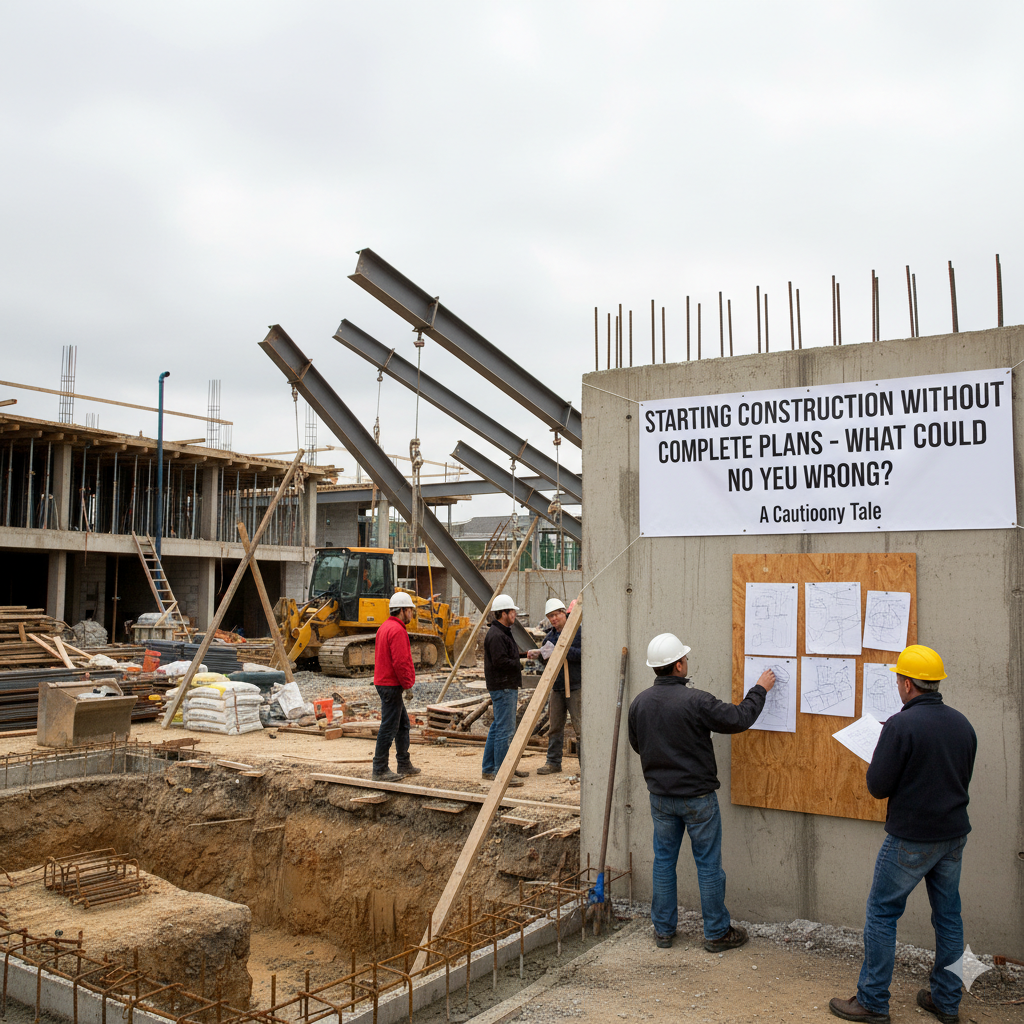
1. Starting Construction Without Complete Structural Drawings
The Construction mistakes in Nepal: Many property owners in Nepal begin construction with only an architectural plan, skipping crucial structural, electrical, and plumbing drawings.
Why It’s Dangerous: Without proper structural drawings, contractors make ad-hoc decisions about beam sizes, column placement, and reinforcement that can severely compromise building safety. This is particularly risky in Nepal’s seismically active zones.
The Solution:
- Commission complete sets of drawings before breaking ground: architectural, structural, electrical, and plumbing
- Ensure all drawings are prepared by licensed engineers
- Get municipal approval for all drawings before starting work
- Budget Rs 50,000-150,000 for complete drawing sets—it’s worth every paisa
2. Poor Quality Control in Concrete Mixing
The Mistake: Hand-mixed concrete often suffers from improper cement-sand-aggregate ratios, insufficient dry mixing, and excessive water content.
Why It’s Dangerous: Weak concrete leads to structural failures, especially during earthquakes. Adding too much water is one of the most common errors, significantly reducing concrete strength and durability.
The Solution:
- Use the correct 1:2:4 ratio (cement:sand:aggregate) for standard concrete
- Perform at least two dry mixes before adding water
- Add water gradually—concrete should be workable but not flowing
- For critical structural elements, use ready-mix concrete from certified suppliers
- Test concrete strength with cube tests at 7 and 28 days
3. Ignoring Earthquake-Resistant Design Requirements
The Mistake: Building owners skip earthquake-resistant features to save costs, ignoring Nepal’s National Building Code requirements.
Why It’s Dangerous: Nepal lies in a highly seismically active zone. The 2015 Gorkha earthquake demonstrated that buildings with structural deficiencies—soft stories, inadequate column-beam connections, and weak shear walls—suffered catastrophic failures.
The Solution:
- Follow NBC 105:2020 guidelines for earthquake-resistant design
- Ensure proper reinforcement detailing in beam-column joints
- Avoid soft-story construction (open ground floors with minimal walls)
- Use TMT steel bars with proper lap lengths and ties
- Consult a structural engineer for buildings over two stories
4. Inadequate Foundation Work
The Mistake: Rushing through excavation, using poor soil compaction, and skipping soil testing leads to foundation problems.
Why It’s Dangerous: Foundation issues cause settlement cracks, tilting, and in severe cases, complete structural failure. In Kathmandu Valley’s soft soil conditions, proper foundation work is critical.
The Solution:
- Conduct soil testing before designing foundations
- Excavate to the depth specified in structural drawings
- Properly compact soil in layers (not all at once)
- Use lean concrete (PCC) of adequate thickness
- Ensure foundation is below the frost line and on undisturbed soil
- Never place foundation on fill material without proper compaction
5. Hiring Contractors Without Verifying Credentials
The Mistake: Selecting contractors based solely on personal references or lowest price, without checking their technical capabilities and past work.
Why It’s Dangerous: Unqualified contractors lack knowledge of proper construction techniques, leading to hidden defects that only become apparent years later—or during an earthquake.
The Solution:
- Visit at least 2-3 sites the contractor has completed
- Ask for references and contact previous clients
- Verify the contractor has skilled masons and carpenters
- Check if they follow safety protocols on site
- Review their understanding of structural drawings
- Don’t automatically choose the lowest bid—quality matters more than saving 10-15%
6. Poor Brickwork Practices
The Mistake: Not soaking bricks before laying, skipping cement paste application, using poor-quality sand, and incorrect mortar ratios.
Why It’s Dangerous: These errors reduce wall strength and bonding, leading to cracks, water seepage, and potential collapse during earthquakes.
The Solution:
- Soak clay bricks in water for at least 2 hours before use
- Apply cement paste on brick surfaces before laying
- Use river sand or approved manufactured sand (avoid soil-contaminated sand)
- Maintain proper mortar mix ratio (1:6 cement:sand for walls)
- Ensure vertical alignment using plumb lines
- Check wall thickness matches structural drawings
7. Insufficient Concrete Curing
The Mistake: Stopping water curing after just 3-4 days instead of the required minimum 7 days (ideally 14 days).
Why It’s Dangerous: Incomplete curing prevents concrete from achieving its design strength, making structures vulnerable to cracking and failure under load.
The Solution:
- Start curing within 24 hours of concrete pouring
- Keep concrete surfaces continuously moist for minimum 7 days
- Use wet burlap, ponding, or continuous sprinkling methods
- In hot weather, cure for longer periods (14 days recommended)
- Don’t allow rapid drying—this causes surface cracks
- Budget time and labor for proper curing in your schedule
8. Hiding Defects Instead of Fixing Them
The Mistake: Contractors conceal honeycombing, cracks, and other defects with cement paste rather than properly addressing structural issues.
Why It’s Dangerous: Cosmetic repairs don’t fix underlying structural problems. Honeycombing indicates poor concrete quality that can’t support design loads.
The Solution:
- Inspect all concrete surfaces after formwork removal
- Identify honeycombing, cracks wider than 0.3mm, or exposed reinforcement
- For minor honeycomb (less than 20mm deep), clean and fill with epoxy mortar
- For deep honeycomb, consult a structural engineer—may require section replacement
- Never allow contractors to simply plaster over defects
- Hire an independent supervisor if you lack technical knowledge
9. Building Without Proper Permits
The Mistake: Starting construction before obtaining municipal building permits and approvals to “save time.”
Why It’s Dangerous: Beyond legal penalties and potential demolition orders, skipping the approval process means missing crucial technical reviews that ensure your building meets safety standards.
The Solution:
- Submit drawings to your municipality/metropolitan office
- Obtain building permit before starting any work
- Budget 2-4 weeks for approval process in major cities
- Pay applicable fees (typically 1-3% of estimated construction cost)
- Display permit on-site during construction
- Request municipal inspections at key stages (foundation, slab, completion)
10. Lack of On-Site Supervision

The Mistake: Assuming contractors will follow drawings and standards without constant oversight, especially when owners lack technical knowledge.
Why It’s Dangerous: Without supervision, contractors often skip critical steps, use substandard materials, or deviate from structural drawings to save time and money.
The Solution:
- Hire a site supervisor or engineer for regular inspections (weekly minimum)
- Make surprise visits to check work quality
- Don’t pay contractors fully in advance—tie payments to work milestones
- Verify material quality before use (check steel grade, cement brand, brick quality)
- Document everything with photos and notes
- Budget Rs 100,000-300,000 for professional supervision on medium-sized projects
The True Cost of Construction Mistakes
While cutting corners might save 10-20% initially, the long-term costs are staggering:
- Structural repairs: 2-5 times more expensive than doing it right initially
- Earthquake damage: Properly built structures survived 2015 earthquake; poorly built ones collapsed
- Resale value: Quality construction maintains property value
- Peace of mind: Knowing your family is safe in a well-built home is priceless
Key Takeaway
Construction in Nepal requires more than good intentions—it demands technical knowledge, quality materials, skilled labor, and consistent supervision. The National Building Code provides excellent guidelines, but enforcement depends on informed property owners who refuse to compromise on safety.
Remember: Your building should last generations, not just decades. Invest in quality now, and your structure will stand strong through earthquakes, monsoons, and time.
Questions? Get Expert Advice
Before starting your construction project:
- Consult licensed structural engineers
- Review Nepal National Building Code (NBC 105, 201, 202, 203, 205)
- Join Nepal Engineers’ Association workshops
- Connect with Construction Association of Nepal for contractor recommendations
Building smart means building safe. Don’t let these common mistakes compromise your investment or your family’s safety.
For more contents about ADB